CareersRemote Sales Jobs
Remote Life Insurance Sales Jobs in Fort Worth
Our agents work from a home desk, running appointments over the phone and on video with people who requested life insurance information. Here is how that remote model works day to day: the equipment you need, how the appointment calendar fills, what a full day looks like and what you need before you start.
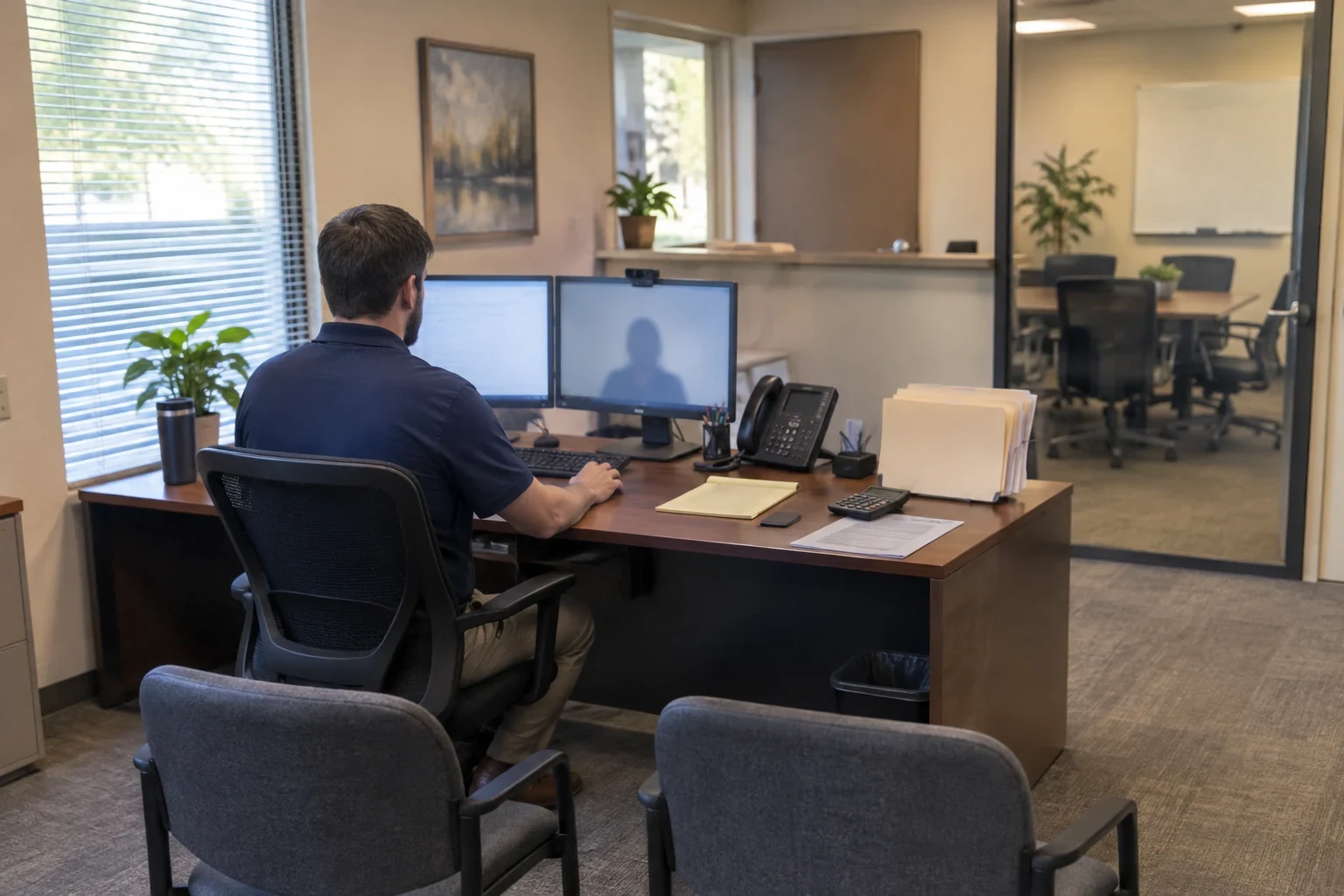
What remote selling means on our team
A remote agent's sales process runs through two channels, a phone call and a video meeting. You reach people who requested information about life insurance and set an appointment. You walk them through their options on a shared screen, then complete the application electronically with the carrier while they are still on the call. There is no driving across town and no territory to cover.
Remote does not mean loose. This is commission-based 1099 work that runs 50 or more hours a week, built around an appointment calendar you are responsible for keeping. Agents in Fort Worth, Haltom City and North Richland Hills work the same schedule on the same setup, all by phone and video with no office visits.
The setup is modest, but it matters. A headset that clips audio or a Wi-Fi signal that freezes a video call costs more over a few months than buying the right gear once. Using that gear well every day is the actual job.
What we give a remote agent
Texas license roadmap
We lay out the sequence before you spend anything: the state life exam at Pearson VUE, an IdentoGO fingerprint check, then your application through Sircon or NIPR. The candidate normally covers the exam, fingerprint and $50 TDI application costs, so we go over what each charge buys ahead of time.
Training built for the screen
Products and scripts come first. After that we drill what selling through a camera demands: sharing your screen cleanly, reading a client's pace without sitting across from them and pulling a quiet call back on track. The Free Agent Training & Mentorship page has the full outline.
Agency-paid leads
The agency pays for the leads you work, and each one is a person who requested information. Since you never purchase leads yourself, your early weeks don't put you in the red before you write a policy. The Agency-Paid Leads Program page shows how they are handed out.
Coaching on a fixed cadence
Daily coaching and call reviews let a producing leader pinpoint the exact moment a conversation turned. Regular one-on-one time with a mentor sits on top of that. On a remote team, the schedule keeps you from working alone and guessing.
A test run before real appointments
Before your first client, we run a practice call to check your camera, microphone, connection and calendar. Problems surface there instead of in front of someone weighing a policy.
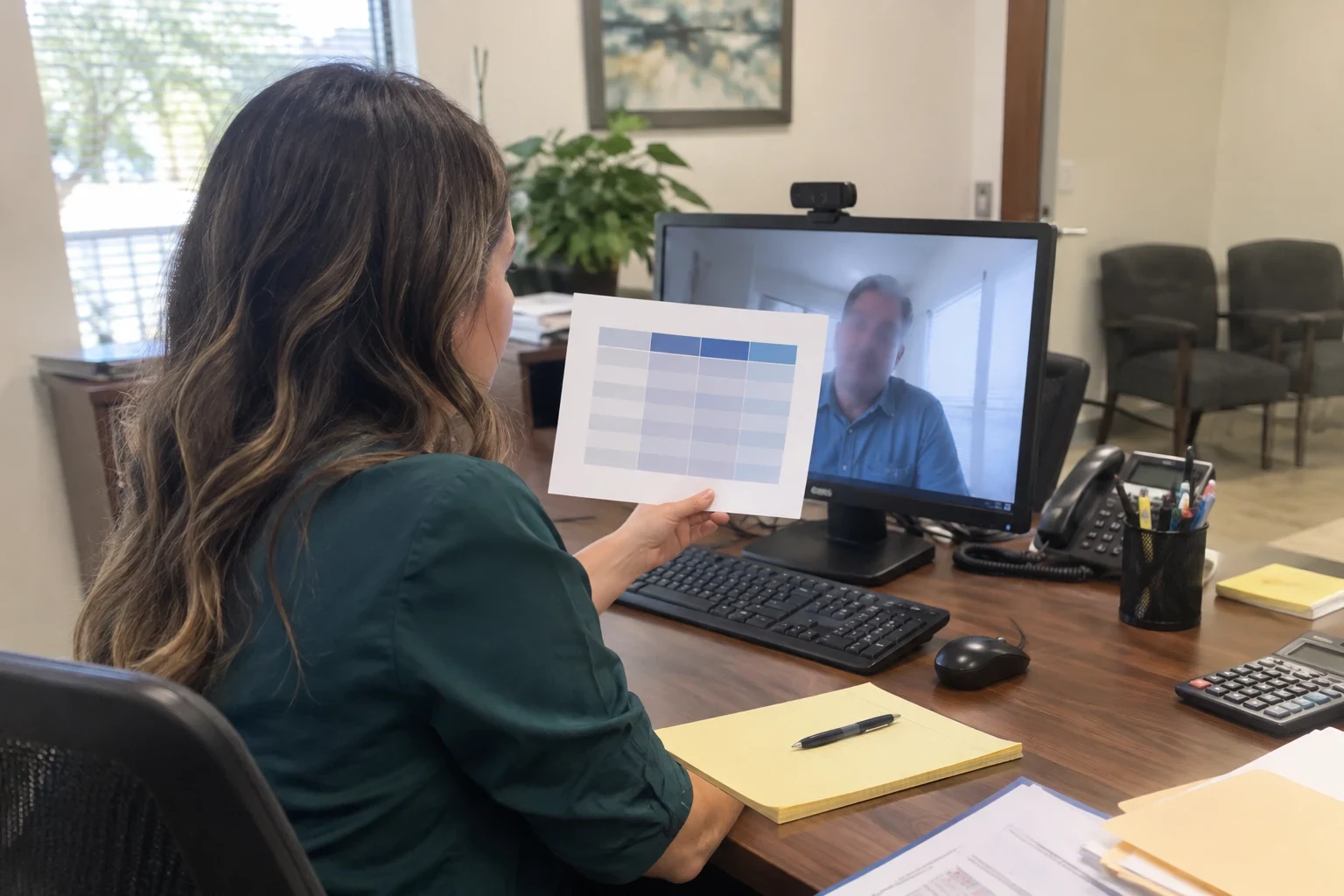
Who remote sales fits, and who it doesn't
- You can run your own day
- Nobody is looking over your shoulder. Results depend on dialing when the block starts, joining appointments on time and logging every call in the CRM.
- You can give it 50+ hours a week
- Plenty of appointments fall on evenings and weekends, because that is when people have time to talk. Expect long hours, especially early on.
- You want coaching, even when it stings
- Recorded calls are reviewed line by line. The agents who grow fastest ask for that feedback and apply it on the very next call.
- You'll put in the work to get licensed
- No one in Texas can sell life insurance without a state life agent license, and the minimum age to hold one is 18. No experience needed; we teach you from zero.
- Not for a salary or a side gig
- Pay comes from commission only, with nothing guaranteed per hour. A few evenings squeezed around another job won't produce enough appointments to build a book of business, so if you need a steady paycheck right now, this isn't the right fit yet.
From your first call to your first remote appointment
- 1
Career interview by phone
We cover the role, the hours and how pay works, and you can press us on leads or chargebacks. Both sides walk away knowing whether it fits.
- 2
Pass the Texas life exam
Texas doesn't require a prelicensing course, though we strongly recommend a prep course. The exam is taken at a Pearson VUE center, one of the few in-person steps.
- 3
Fingerprints and TDI application
Next is the background check. You open your file through the TDI fingerprint portal, get printed at an IdentoGO location, then apply for your resident life agent license through Sircon or NIPR.
- 4
Training and contracting
The weeks TDI spends reviewing your application go to learning products, practicing scripts and getting comfortable on video calls. Once the license comes through, we set up your contracts with the carriers you will write for.
- 5
First appointments with agency-paid leads
You begin booking and running appointments from your own desk, and a mentor reviews your early calls.
What shapes a remote agent's income and costs
Every agent here works as a 1099 contractor on straight commission. There is no base salary and no pay for hours spent logged in. What you earn tracks three things: the time you put in, how skillfully you handle each appointment and how strong your leads are. Individual results vary widely and are neither typical nor guaranteed, so read our Earnings Disclaimer page before deciding.
- Hours on the calendar
- Each booked appointment is another chance to write business. Agents who protect their calling blocks tend to fill their calendars faster.
- Skill on video
- A clear, unhurried walkthrough on a shared screen closes more often. It also produces policies that clients keep, which matters more over a year than a quick signature.
- Advances and chargebacks
- Many contracts pay part of the commission up front as an advance once a policy is issued. If the client cancels or stops paying inside the chargeback window, often the first 9 to 12 months, part of that advance is taken back. A policy that stays in force is worth far more than a fast close.
- Your own expenses
- As a contractor you cover your laptop, headset, internet and phone, your licensing costs and, in most cases, errors and omissions (E&O) insurance. The How Agents Get Paid page breaks down each one.
Questions about working remote
- Is the job fully remote?
- Selling, training and coaching all run by phone and video from home. Two licensing steps happen in person: the Texas life exam at a Pearson VUE testing center and your fingerprints at an IdentoGO location. Both are run by those outside providers, and the job itself is done entirely by phone and video.
- What equipment do I need to start?
- Plan on a laptop with a working webcam, a USB headset with a noise-canceling microphone, a smartphone and dependable broadband. A wired ethernet line is worth the cable, since dropped Wi-Fi is the most common reason a video appointment freezes. You also need a quiet room where you can close the door.
- What does a new agent's workday usually involve?
- The morning starts with team coaching, followed by a stretch of contacting fresh leads to book appointments. Afternoons and evenings are mostly the appointments themselves, with call reviews fitted into the gaps. At the end of the day you finish your CRM notes and check the next day's calendar.
- Can I do this part-time or while in school?
- Not well. The role takes 50 or more hours a week, and appointments bunch up in the evenings, exactly when part-time and class schedules tend to clash. If you can't give those hours yet, it makes sense to come back when you can.
- What happens on the career interview call?
- We lay out how a remote day runs, how commissions, advances and chargebacks work and what the licensing steps involve. You share your availability, where you are on the license and what you want from the role. Questions about pay and leads are welcome.
Talk through the remote setup with us
Come to the call knowing your license status, the weekly hours you can commit and the questions you have about leads and commission. We'll walk you through a remote workday and decide together whether the role makes sense for you.